
6 Crucial Things to Know Before Driving on New Concrete
1. Concrete Takes Time to Gain Full Strength
New concrete may look solid after a day or two, but it’s still going through an internal curing process. The surface hardens quickly, but underneath, the mix is still gaining the strength it needs to support vehicle weight. Understanding how long before you can drive on concrete helps prevent premature damage that could lead to expensive repairs down the line.
How the Curing Process Affects Driving Timelines
- Surface vs. Structural Curing: Surface drying can happen within 24 to 48 hours, but that doesn’t mean the concrete is ready for cars. Structural curing, where the concrete reaches its intended strength, usually takes up to 28 days.
- Strength Development Over Time: Most concrete reaches about 70% of its designed strength after 7 days. That’s generally strong enough for light foot traffic and, depending on thickness, possibly small cars—but not heavy trucks or repeated use.
- Full Cure Equals Long-Term Durability: Waiting until the concrete hits its full strength ensures the driveway performs as intended for years. Knowing how long for concrete driveway to set helps avoid cracking, flaking, or surface impressions caused by jumping the gun.
2. Weather Plays a Major Role in Drying Time
Not all concrete cures at the same pace—weather is one of the biggest factors in how long before driving on new concrete is safe. Temperature, humidity, and precipitation can all speed up or slow down the process. Homeowners should monitor the forecast closely before and after a pour to protect a new concrete driveway from early damage.
How Weather Conditions Affect Concrete Strength
- High Temperatures Can Cause Rapid Surface Drying: In hot climates, the surface may appear dry in just a few hours, but that doesn’t mean it’s structurally sound. Quick drying from heat can create surface cracking or a chalky finish that weakens the top layer.
- Cold Weather Slows Curing Significantly: When temperatures dip below 50°F, the curing process slows down, and concrete can take much longer to set properly. In some cases, curing blankets or heated enclosures are used to keep the concrete at optimal temperature.
- Rain or Moisture Disrupts Early Set Time: Rain during the first 24 hours can wash away the cement paste, creating a rough or pitted surface. Even light showers can delay how long for concrete driveway to set fully if drainage isn’t handled properly.

3. Thickness and Mix Design Matter
Not all driveways are built the same—thicker slabs and specific mix formulas affect how long before you can drive on concrete safely. The PSI rating, reinforcing materials, and slab dimensions all factor into the timeline. A thicker new concrete driveway takes longer to cure but offers greater strength for larger vehicles or frequent use.
How Concrete Design Impacts Driveway Readiness
- Thicker Slabs Extend Cure Times: A 4-inch residential driveway is standard, but anything thicker—like 6 inches for heavy vehicles—requires a longer wait before driving. Extra thickness means more moisture must evaporate and more internal strength must build up.
- Higher PSI Mixes Require Additional Care: Concrete rated at 4000 PSI or more is stronger but may need longer curing to reach its full potential. These mixes are often used for areas with high weight loads or sloped driveways where traction and durability matter.
- Reinforcement Changes the Game: Driveways reinforced with rebar or wire mesh resist cracking, but they still need a full cure before taking on vehicle weight. Rushing the process, even with reinforcement, can lead to long-term issues beneath the surface.
4. Driving Too Soon Can Cause Hidden Damage
Many homeowners don’t realize that driving too early can lead to damage that isn’t visible right away. Even if the surface looks fine, pressure from tires can disrupt the curing process below. Knowing how long before driving on new concrete is safe can prevent these avoidable issues.
Why Early Driving Should Be Avoided
- Surface Cracks May Develop Over Time: Premature driving causes stress on partially cured concrete, leading to hairline fractures. These cracks may not appear until weeks later but can grow with temperature changes or repeated vehicle pressure.
- Tire Impressions Can Permanently Distort the Surface: Soft concrete can form ruts or depressions under the weight of a vehicle, especially during hot weather. These impressions weaken the surface and lead to water pooling during rain.
- Long-Term Durability Is Compromised: Early use shortens the driveway’s life expectancy, even if no damage is immediately visible. Over time, traffic on improperly cured concrete leads to costly resurfacing or full replacement.
5. Sealing Helps Protect New Concrete
Once the concrete has cured, sealing it provides an important layer of protection. Sealers block moisture, chemicals, and stains that can wear down the surface. While sealing doesn’t speed up how long for concrete driveway to set, it does ensure the surface stays in top condition once the curing is complete.
How Sealing Supports Driveway Longevity
- Prevents Water Intrusion and Freeze Damage: In colder climates, water seeping into unsealed concrete can freeze and expand, causing cracks. A quality sealer keeps moisture out and preserves the concrete’s structural integrity.
- Protects Against Oil and Chemical Stains: Driveways often absorb oil drips, road salt, and other chemicals. A sealed surface makes cleanup easier and reduces the chance of permanent discoloration or erosion.
- Improves Appearance and Surface Strength: Sealers can enhance the natural color of a new concrete driveway while adding a subtle sheen. Some formulas also strengthen the surface, reducing dust and increasing resistance to abrasion from tire movement.
6. Every Driveway Has a Unique Timeline
There’s no one-size-fits-all answer to how long before you can drive on concrete. Soil conditions, slope, concrete additives, and even drainage systems affect the curing timeline. Working with a contractor who understands these variables ensures the right plan is in place for a safe, durable driveway.
Why Driveway Curing Isn’t Always Standard
- Local Climate and Ground Conditions Matter: A driveway poured in a humid coastal region will cure differently than one in a dry, elevated area. Factors like groundwater levels, soil type, and shade coverage all play a role in how long for concrete driveway to set.
- Project-Specific Adjustments May Be Needed: Contractors may modify the mix or curing method based on expected use—such as delivery vans, RVs, or multiple cars. These adjustments can add days or even weeks to the timeline.
- Professional Guidance Ensures Accuracy: A qualified contractor provides clear recommendations based on actual conditions, not just general rules. That helps homeowners know exactly how long before driving on new concrete is truly safe for their property.
How to Protect a New Concrete Driveway During the First Week
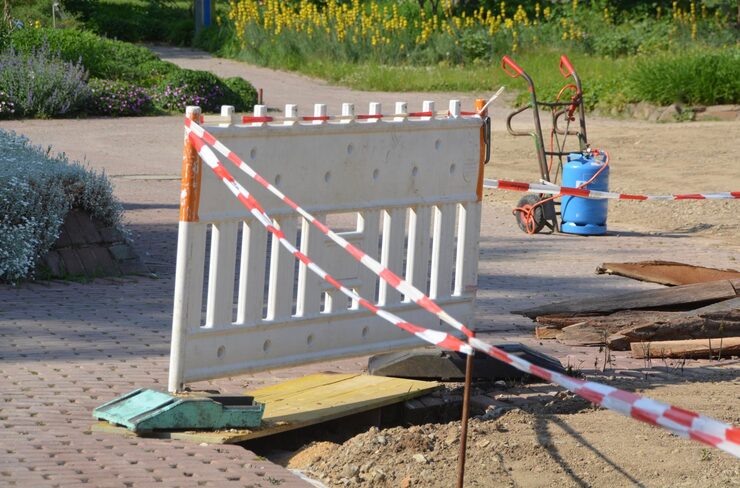
Americans spent an estimated $603 billion in 2024 on remodeling their homes—many of those dollars went toward upgrades like new concrete driveways. The first seven days after pouring are critical to the strength and appearance of a new slab. While the surface may look solid, the curing process is still underway below. Knowing how to shield the concrete during this time can prevent early damage, costly repairs, and delays in how long before you can drive on concrete safely.
1. Block Off Access With Physical Barriers
One of the most effective ways to protect fresh concrete is by physically keeping cars, pets, and foot traffic away. Cones, caution tape, or temporary fencing send a clear signal that the area isn’t ready for use. A professional contractor will often install these barriers right after pouring to avoid accidental contact.
2. Keep Foot Traffic Off the Surface
Even walking on concrete too soon can leave marks or disrupt the curing process. High heels, bike tires, or pet paws may cause surface dents or fine cracks. Waiting at least 24–48 hours before walking on it—and longer for heavy foot traffic—helps avoid issues that could compromise how long for concrete driveway to set properly.
3. Avoid Placing Objects or Equipment on the Slab
Trash bins, ladders, garden hoses, or delivery packages should not sit on fresh concrete during the first week. These items can create imprints, restrict moisture escape, or trap heat in a way that affects curing. Professionals often recommend keeping the area completely clear to maintain uniform strength development.
4. Protect the Surface From Rain and Water Runoff
If rain is in the forecast, covering the driveway with plastic sheeting or a tarp helps prevent washouts and surface erosion. Water pooling on uncured concrete can leave discoloration or weaken the top layer. A contractor will usually monitor weather and take action in advance to avoid delays in how long before driving on new concrete becomes safe.
5. Shade the Area During Intense Sun or Heat
Direct sunlight and high heat can cause uneven drying, leading to cracking or surface crusting. Using a shade cloth or tent-like cover during peak hours helps maintain the right moisture level. Contractors know how to balance temperature and airflow so the concrete sets slowly and evenly.
6. Follow the Contractor’s Curing Instructions
Every new concrete driveway is slightly different based on the mix, thickness, and environment. Contractors may recommend misting the surface, applying a curing compound, or simply leaving it untouched for a full week. Trusting their timeline ensures a safer wait for how long before you can drive on concrete without risking structural issues.
What Makes Concrete Stronger Over Time
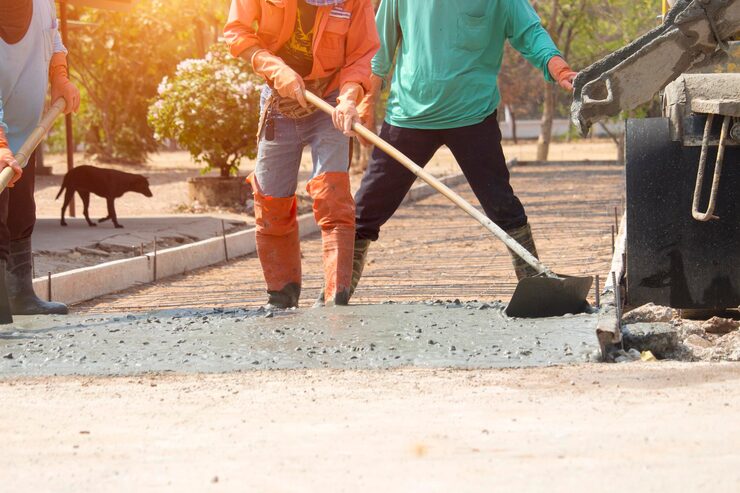
Concrete doesn’t reach its full strength overnight—it continues to harden and stabilize for weeks after the initial pour. Beneath the surface, a chemical reaction is slowly transforming the mix into a durable slab. Understanding what contributes to this strength can help homeowners better appreciate how long for concrete driveway to set and why patience pays off.
1. The Ongoing Hydration Process
Concrete gains strength through hydration—a chemical reaction between cement and water that continues long after the surface appears dry. This slow reaction allows internal bonds to form and strengthen, especially during the first 28 days. Contractors understand the pace of hydration and can advise on how long before you can drive on concrete without causing internal damage.
2. The Right Water-to-Cement Ratio
Too much water in the mix can weaken the final product, while too little may prevent full hydration. A balanced ratio is essential to achieving the target strength and durability. Professional contractors calculate this precisely, helping ensure that the new concrete driveway cures properly and supports long-term use.
3. Consistent Moisture During Curing
Concrete needs steady moisture to cure effectively—not too dry, not too wet. That’s why contractors may mist the surface, use curing blankets, or apply curing compounds to maintain the right conditions. Skipping this step can reduce overall strength and delay how long before driving on new concrete is safe.
4. Use of Reinforcement and Additives
Steel rebar, wire mesh, and modern admixtures all play a role in supporting concrete strength and durability. Additives can improve resistance to cracking, freeze-thaw cycles, or even accelerate curing in certain conditions. A professional evaluates the site and suggests reinforcements tailored to the demands of the new concrete driveway.
5. Proper Timing for Load Bearing
Even at 7 days, concrete typically reaches only 70% of its full strength. Waiting until the full 28-day mark allows it to withstand the weight of regular vehicles, trailers, or delivery trucks. Knowing how long before you can drive on concrete—and sticking to that timeline—is key to avoiding hidden damage and ensuring long-term stability.
Driveway Ready? Let SMJ Homes, Inc. Handle It Right the First Time
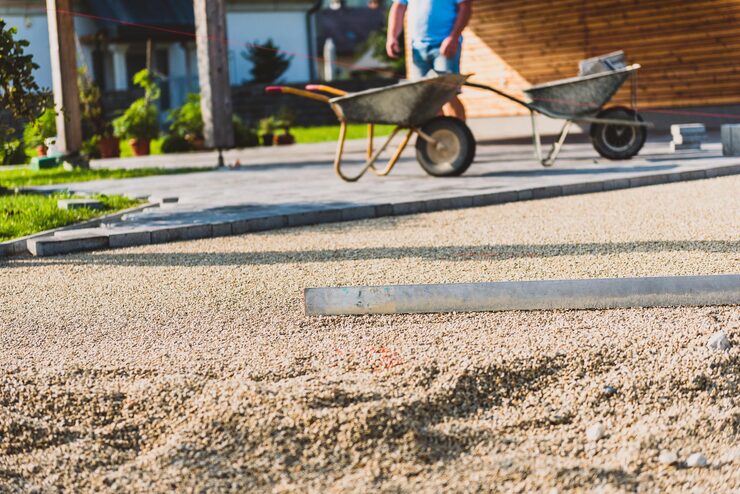
At SMJ Homes, Inc., we know that timing, craftsmanship, and care are everything when it comes to a new concrete driveway. Serving homeowners across Westchester County, our team pours with precision and guides every step—from mix to cure—to make sure that concrete sets strong, clean, and ready for years of use. We don’t cut corners, and we don’t guess how long before you can drive on concrete—we build with confidence, backed by experience.
Let’s get your driveway done right, right from the start.